
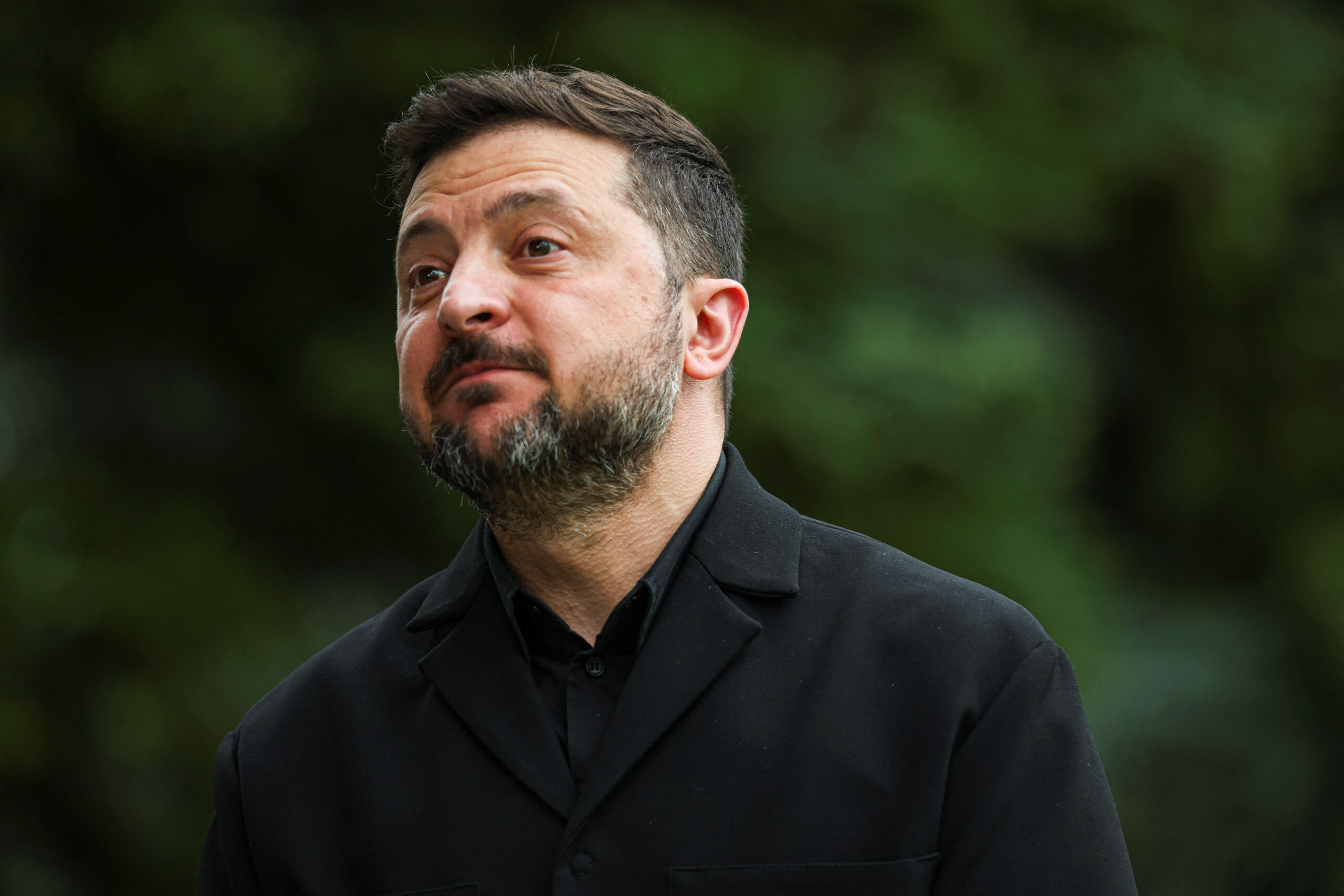
For months, Kyiv insiders could only speculate. Now Ukrainian President Volodymyr Zelensky has broken his silence, laying out in detail why he dismissed his defense minister, Mykhailo Fedorov, in one of the most consequential cabinet shake-ups of the war so far.
Speaking publicly for the first time about the episode, Zelensky pointed to four distinct triggers behind the decision. The most damaging, by his account, was a diplomatic misstep: the defense ministry reportedly passed along inaccurate information regarding approval to use SpaceX’s Starlink network for deep strikes into Russian territory. The error, officials say, created friction with Washington at a delicate moment in relations with the Trump administration.
Money troubles compounded the problem. Zelensky cited mismanaged spending decisions within the ministry that left a staggering 27 billion dollar shortfall in the defense budget, a gap that, in a country fighting for its survival, translates directly into fewer supplies reaching the front line.
A third factor, according to the president, was friction between Fedorov and Ukraine’s top military brass. Persistent disagreements over strategy and resources reportedly strained coordination between the civilian ministry and the general staff at a time when unity of command matters most.
The fourth reason emerged only after Fedorov left office. His subsequent involvement in street protests and public calls for snap elections in the middle of wartime were seen inside the presidential office as a destabilizing move, one that risked fracturing the political consensus Zelensky has worked to preserve since Russia’s invasion.
The revelations land at a delicate time for the Ukrainian leader, who is simultaneously managing pressure from Western allies, trying to hold his government together, and fending off domestic criticism over how the war is being run. Fedorov’s ousting had already triggered controversy in Kyiv, with critics suggesting it was less about performance and more about internal power struggles.
By going public with these details now, Zelensky appears intent on shutting down further speculation and reasserting control over a wartime cabinet where any sign of division can be exploited, both by political rivals at home and by Moscow abroad. Whether the explanation will actually calm the tensions simmering inside Ukraine’s executive branch remains an open question.

