
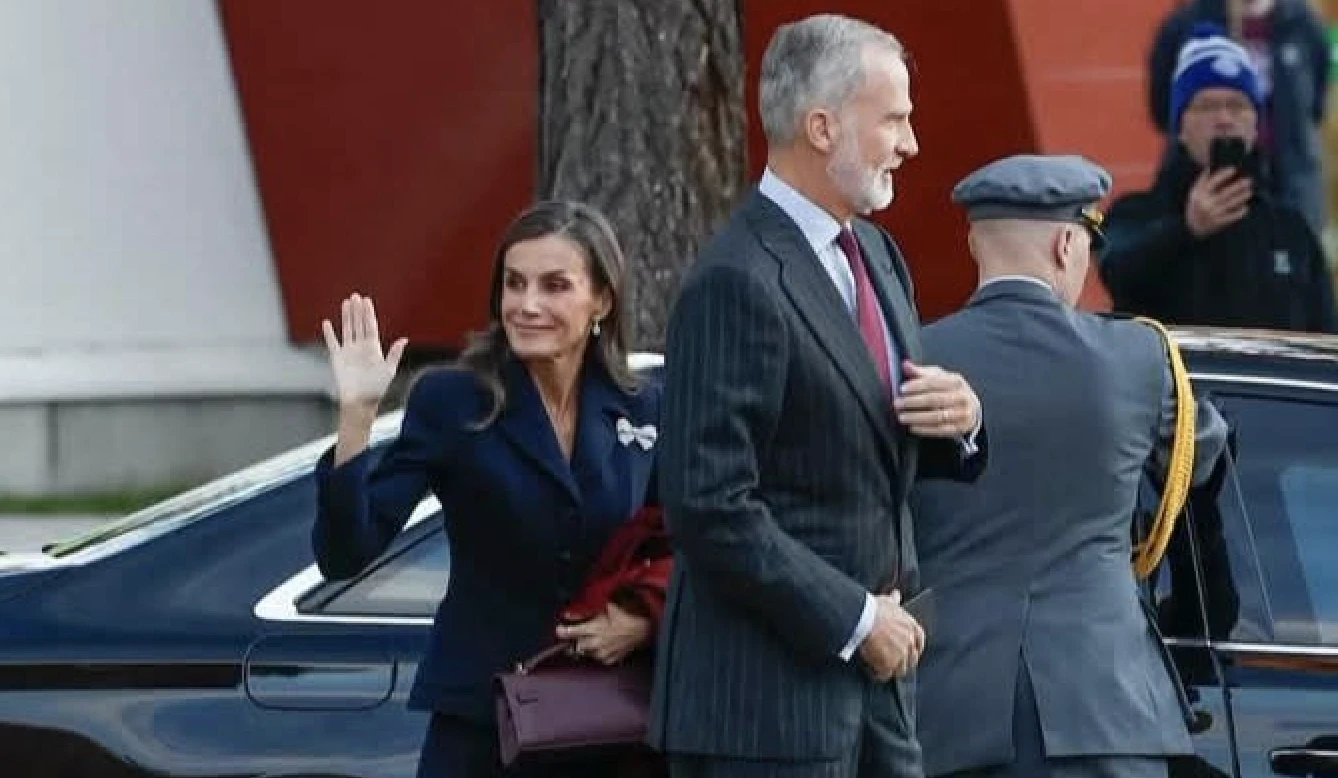
Ceuta and Melilla are back at the center of diplomatic attention between Rabat and Madrid. According to reports circulating in the Spanish press, including the daily El País, King Felipe VI and Queen Letizia are preparing an official visit to the two Spanish-held enclaves on Morocco’s northern coast, a trip that has already reignited long-standing sensitivities over Moroccan sovereignty claims to the territories.
The itinerary described by Spanish sources reportedly includes closed-door meetings with local authorities, security officials and civil society representatives, along with two public speeches. Figures from both cities are also said to have been invited to a reception in Madrid on 12 October, shortly after the royal visit.
On the Moroccan side, the response so far has been notably restrained. Rabat has issued no formal protest, a silence that stands in sharp contrast to the sharper diplomatic exchanges seen during past episodes involving the two cities. Observers describe this calm not as indifference but as a deliberate choice: having secured significant diplomatic gains on the Western Sahara file in recent months, Morocco appears unwilling to be drawn into a dispute that would chiefly serve Madrid’s own narrative.
Several analysts argue the royal visit is driven largely by Spain’s domestic agenda. By staging symbolic gestures in Ceuta and Melilla, the Spanish government may be seeking to shift public attention away from internal difficulties, whether political, economic, or tied to migratory pressure along Spain’s southern border.
On the ground, the reaction has remained muted. A handful of calls for demonstrations, circulated on social media in the border town of Fnideq, have so far failed to generate any significant mobilization or media coverage. This lack of organized public response appears to confirm the approach chosen by Moroccan authorities: restraint over confrontation.
Still, Morocco’s underlying position has not shifted. Rabat continues to regard Ceuta and Melilla as Moroccan cities under Spanish occupation, a status rooted in colonial history that neither the passage of time nor ceremonial royal visits can legitimize, according to the Moroccan position reiterated at every opportunity by officials. That stance is part of a broader national doctrine on territorial integrity, one that also encompasses the Western Sahara dispute.
Should the visit go ahead as reported, it will unfold against a backdrop in which Morocco continues to advance its position on the international stage while maintaining a cautious diplomatic line toward its Iberian neighbor, a country that remains both a key economic partner and a central actor in the migration and territorial issues linking the two shores of the Strait of Gibraltar.