
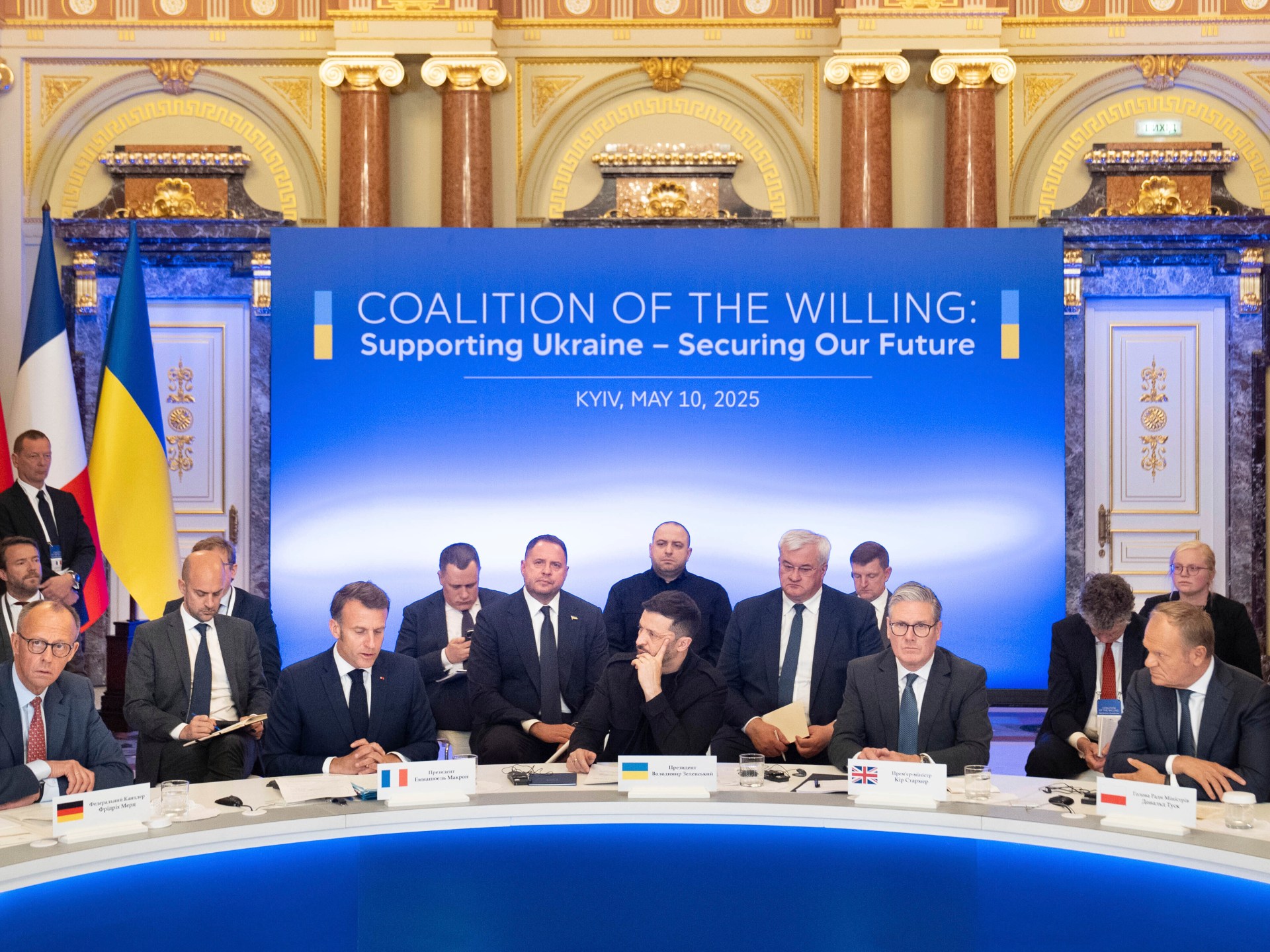
Ukraine marked the 35th anniversary of its independence on Sunday with a video conference of the so-called coalition of the willing, the informal grouping of Western nations that has coordinated military and diplomatic backing for Kyiv since Russia’s invasion. Roughly a dozen leaders joined the call, including representatives from France, Germany and the United Kingdom, alongside European Council President Antonio Costa and senior NATO officials.
The gathering coincided with a visit to Kyiv by British Prime Minister Andy Burnham, his first trip abroad since taking office. During the visit, London confirmed it would share classified technical details on the British-made components of the Scalp cruise missile system, a move intended to let Ukraine’s domestic defense industry begin producing similar munitions and ease its reliance on foreign shipments.
President Volodymyr Zelensky used the occasion to deliver an unambiguous message: Ukraine will not hand over the Donbas region to end the war. He dismissed suggestions of territorial concessions to Moscow, arguing that Russia has shown no genuine intention of halting hostilities. Zelensky repeated his call for allies to tighten sanctions on Russia while sustaining, and if possible expanding, military assistance to Ukrainian forces.
The diplomatic push unfolded against a backdrop of continued fighting. Russian authorities reported casualties from Ukrainian drone strikes in the Krasnodar region, while Ukrainian officials confirmed three deaths following Russian strikes on the outskirts of Kharkiv, underscoring how far a negotiated settlement remains even as talk of diplomacy intensifies in Western capitals.
More than three years into the war, Sunday’s video summit captured the tension running through Western strategy: mounting pressure to explore a negotiated end to the conflict, set against Kyiv’s insistence that its territorial integrity is not up for discussion. For the leaders who dialed in, the harder task now is turning statements of solidarity into concrete, lasting commitments, including additional weapons, tighter sanctions enforcement and financial support, as winter approaches and the war of attrition continues to exact a heavy toll on civilians on both sides of the front line.

