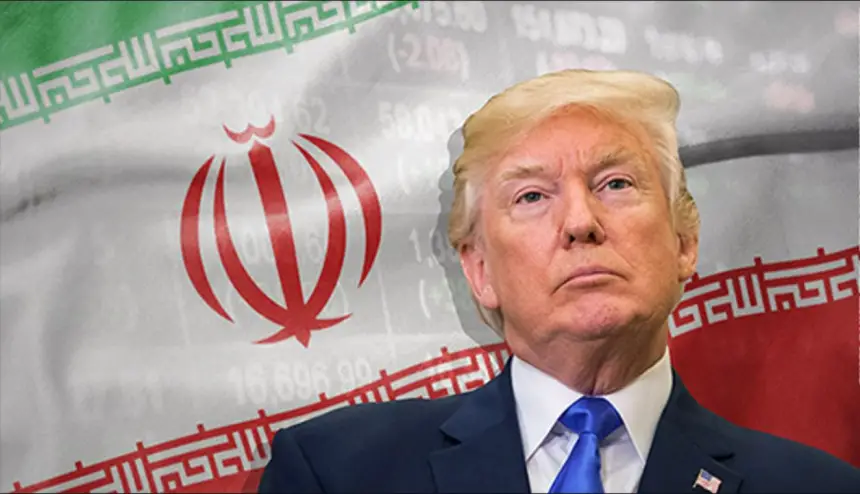
The Strait of Hormuz has once again become the fulcrum of a high-stakes standoff, with President Donald Trump weighing his next move just weeks before the November midterm elections. Iran has floated a fresh proposal aimed at reopening the vital waterway, putting Washington in the position of choosing between political toughness at home and a diplomatic opening abroad.
Iranian Foreign Minister Abbas Araghchi confirmed that Tehran had relayed, through intermediaries, a seven-day roadmap that could end the naval blockade and revive talks over the country’s nuclear program. According to details that have emerged, the offer hinges on a specific set of commitments Washington would need to make first.
Those demands reportedly include lifting the maritime blockade on Iranian ports, allowing oil exports to resume, and a broader halt to hostilities that would extend to Lebanon. Araghchi indicated the timeline could begin the moment Washington signs on, suggesting Tehran believes the diplomatic groundwork is already in place.
The American response, however, has been anything but eager. Reuters reported that Trump has instead pushed for continued economic isolation of Iran, expressing confidence that a deal could eventually be reached, but only after the midterm vote. For now, there is little sign of any rush back to the negotiating table.
That leaves Iran’s initiative hostage to a tangle of political and military calculations both inside the United States and beyond it. Any eventual agreement would require concessions on sanctions, oil flows and the military operations still under way across the region, a combination that makes a swift resolution unlikely.
Araghchi also met with US envoy Steve Witkoff in New York, with Tehran insisting it has already laid the diplomatic groundwork and briefed several regional and international players on its plan. The next move, Iranian officials maintain, now rests squarely with Washington.
The stakes extend well beyond the two capitals. The Strait of Hormuz remains a linchpin of global energy trade, and markets reacted almost instantly to early reports of a possible reopening, with oil prices slipping on the news. Conflicting accounts have nonetheless surfaced over parts of the Iranian offer, as state media in Tehran initially denied any link between lifting the blockade and reopening the strait, before Araghchi later spelled out the seven-day plan more explicitly. Whether Washington accepts the proposal as it stands, or pushes for changes, may ultimately depend as much on the American electoral calendar as on diplomacy itself.