
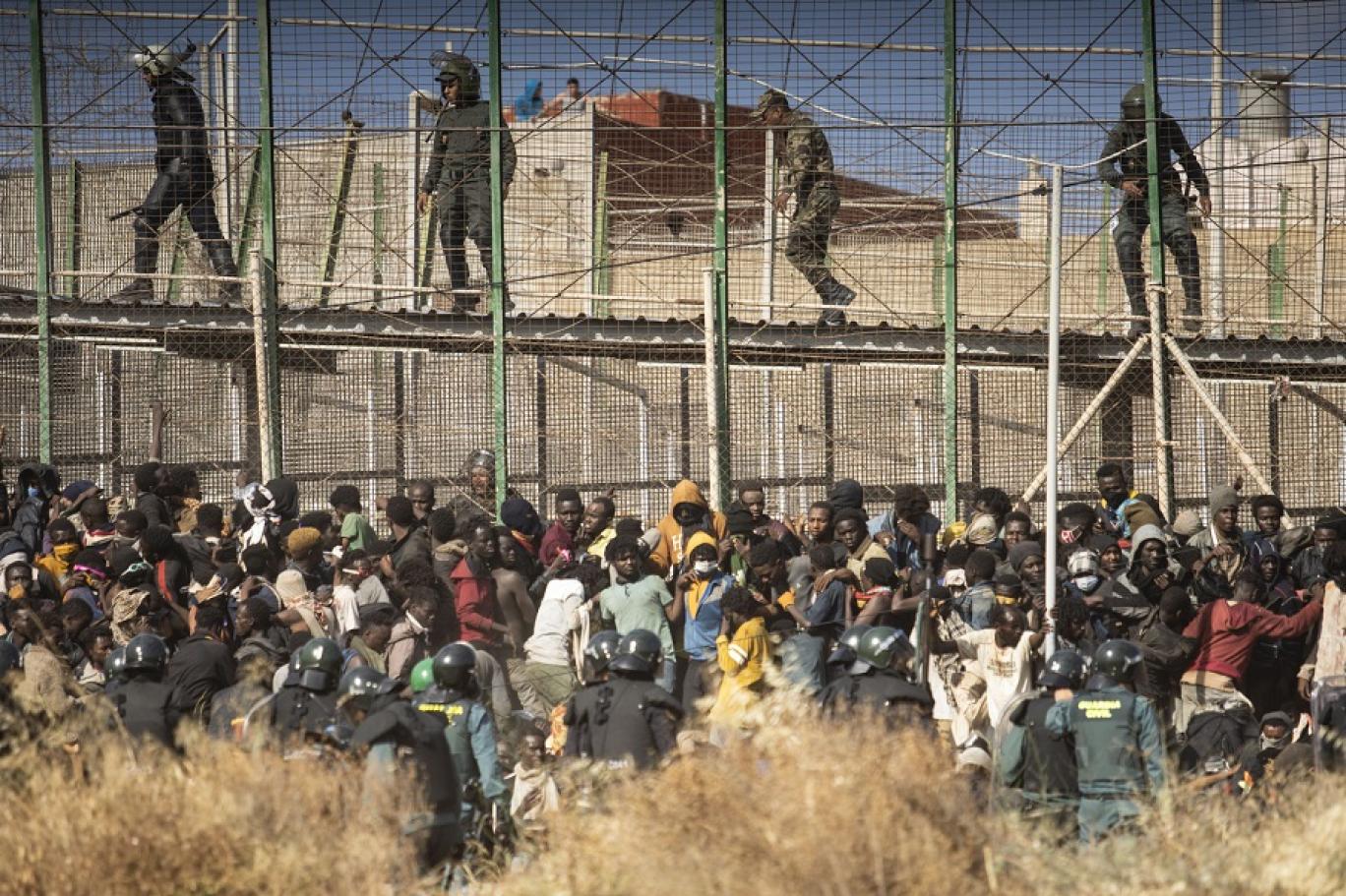
Morocco’s security and judicial authorities have broken up 1,597 criminal networks involved in migrant smuggling and human trafficking between 2021 and 2025, according to an official report unveiled Thursday in Rabat. The figure offers a rare, concrete measure of a fight that is too often described only in general terms.
The report, titled « Morocco’s Efforts in Combating and Preventing Human Trafficking: A Renewed National Path, » was presented by Hicham Mellati, director of criminal affairs and pardons at the Ministry of Justice and head of the National Committee coordinating anti-trafficking measures. Over the five-year period, 536 trafficking-related cases were registered, leading to prosecutions against 816 individuals and convictions for 774 of them. The cases involved a total of 988 identified victims.
Mellati pointed to steady institutional progress: tighter coordination between the agencies involved, expanded international cooperation, and the adoption of a National Action Plan against human trafficking running through 2030, backed by an operational roadmap for 2023-2026.
At the Public Prosecutor’s Office, judge Aicha Iklil, who heads the anti-trafficking unit, described ongoing efforts to train judges assigned to these sensitive case files, through specialized programs and field visits to countries with established expertise in the field. A new practical guide on human trafficking crimes, complementing an earlier one focused on identifying child victims, is expected to be published soon.
Abdelouahed Athir, representing the Interministerial Delegation for Human Rights, said the report marks a milestone in assessing how Morocco has met its international commitments, particularly under the Palermo Protocol annexed to the UN Convention against Transnational Organized Crime. Running 142 pages and grounded in Law No. 27.14, the document is organized around five pillars: prevention, judicial prosecution, victim protection, international partnerships, and capacity-building.
Impressive as they are, the numbers also point to a stubborn reality: officials themselves acknowledge that dismantling smuggling networks is a long-term undertaking, one that depends on sustained coordination among security services, the judiciary and human-rights bodies.
