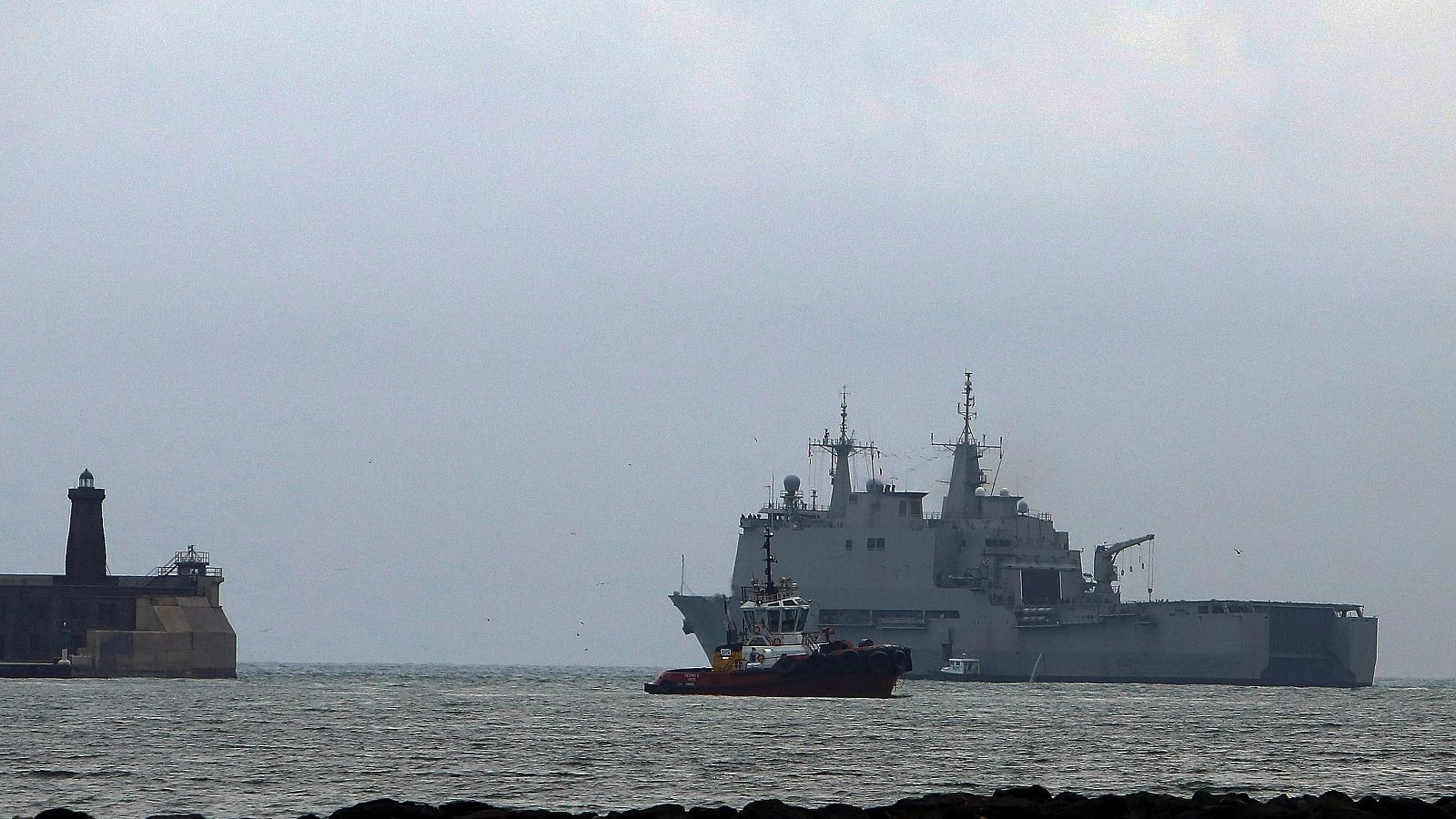
The European Commission has opted for diplomatic restraint rather than judgment over a naval episode that has stirred debate in Madrid since the summer. Asked about the entry of Moroccan warships into Ceuta’s waters on July 30 and 31, a Commission spokesperson told the Spanish news agency EFE that the matter is one for Rabat and Madrid to settle between themselves, not for Brussels to adjudicate.
The naval movement coincided with an attempted mass border crossing into the Spanish-administered city, an episode that reignited longstanding Spanish anxieties over the status of Ceuta and Melilla. Rather than cast judgment on either side, the EU’s executive arm chose instead to praise the close cooperation between the two capitals in managing the migration crisis, describing Morocco as a strategic partner on an issue Brussels regards as central to its own southern border security.
Commission officials specifically highlighted Rabat’s commitment to readmitting everyone who crossed during the incident, framing it as evidence that the bilateral migration arrangement continues to function despite periodic flare-ups around the two enclaves. That assessment stands in contrast to the tenser mood on the Spanish side, where King Felipe VI’s recent visit to Ceuta and Melilla reopened Moroccan objections to Madrid’s hold on the territories.
More tellingly, the Commission confirmed it is working to elevate its ties with Morocco into what it called a comprehensive strategic partnership, a framework that would extend well beyond migration cooperation into economic, security and energy matters. The phrasing was carefully chosen: by refusing to frame the naval incident as a sovereignty dispute, Brussels is signaling its intent to keep a bilateral Spanish-Moroccan matter from spilling over into its own relationship with Rabat.
For analysts tracking migration policy across the western Mediterranean, the episode reinforces a broader pattern. The EU increasingly views Morocco as an indispensable partner in controlling irregular crossings toward Spain, and is correspondingly reluctant to let friction over isolated incidents undermine that cooperation. Three months after the ships entered Ceuta’s waters without any formal diplomatic fallout, the episode illustrates just how much latitude Rabat continues to enjoy in its dealings with Brussels, even when individual episodes provoke strong reactions in Spain.