
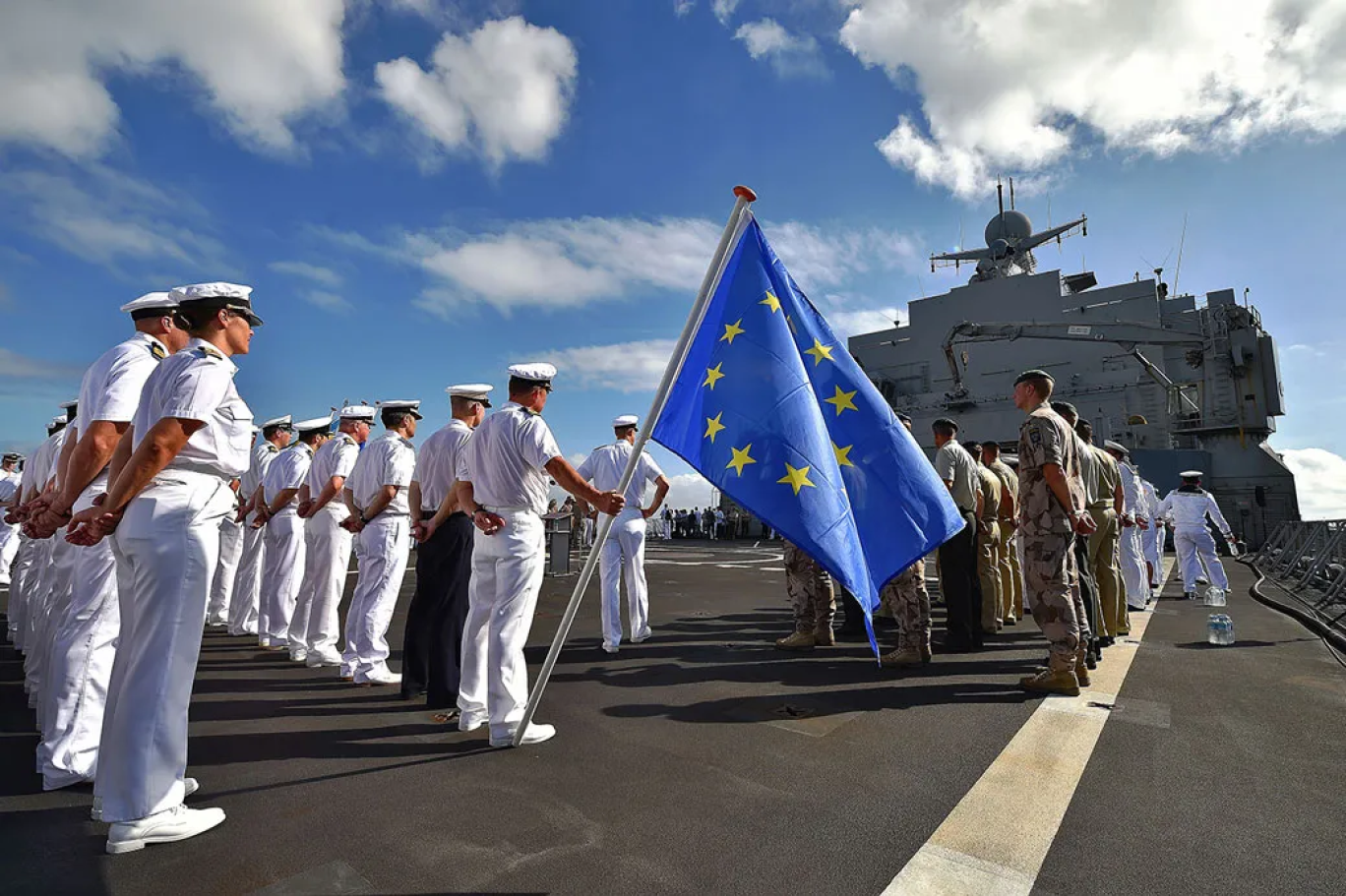
Across Europe, governments are no longer treating the war in Ukraine as a conflict to watch from a distance. From Berlin to Warsaw, capitals are tightening both civil and military defenses as officials describe the threat from Moscow as increasingly tangible, fueled by a steady stream of drone incidents and cyberattacks against sensitive infrastructure.
On September 15, NATO issued an updated version of its resilience requirements, urging member states to better align civilian and military planning. The message was unambiguous: crisis preparedness can no longer rest on armed forces alone.
The policy shifts are already visible on the ground. Germany has earmarked close to 10 billion euros to strengthen civil defense through 2029, funding that will help refurbish shelters left to decay since the end of the Cold War. Poland has tightened security at border crossings with Ukraine, wary of infiltration attempts or incidents along the frontier. In France, the president announced stronger national preparedness against what he called Russian hybrid threats, though the full scope of the measures has yet to be detailed.
These moves fit into a broader pattern spreading across the continent: rising defense budgets, upgraded air-defense systems, refurbished bomb shelters, and tighter protection of energy grids, transport networks and telecommunications infrastructure now viewed as exposed.
Underlying all of it is a live debate over whether Europe can build up its own defense capacity rather than leaning almost entirely on outside partners. The expansion of shelter networks and the overhaul of military planning both point to a shift in mindset: European governments now see their security environment as markedly more complex and dangerous than just a few years ago.
Nearly four years into the war in Ukraine, this latest wave of measures is a reminder that uncertainty has become the continent’s baseline, with every fresh incident along its eastern edges reviving fears of a wider escalation.

