
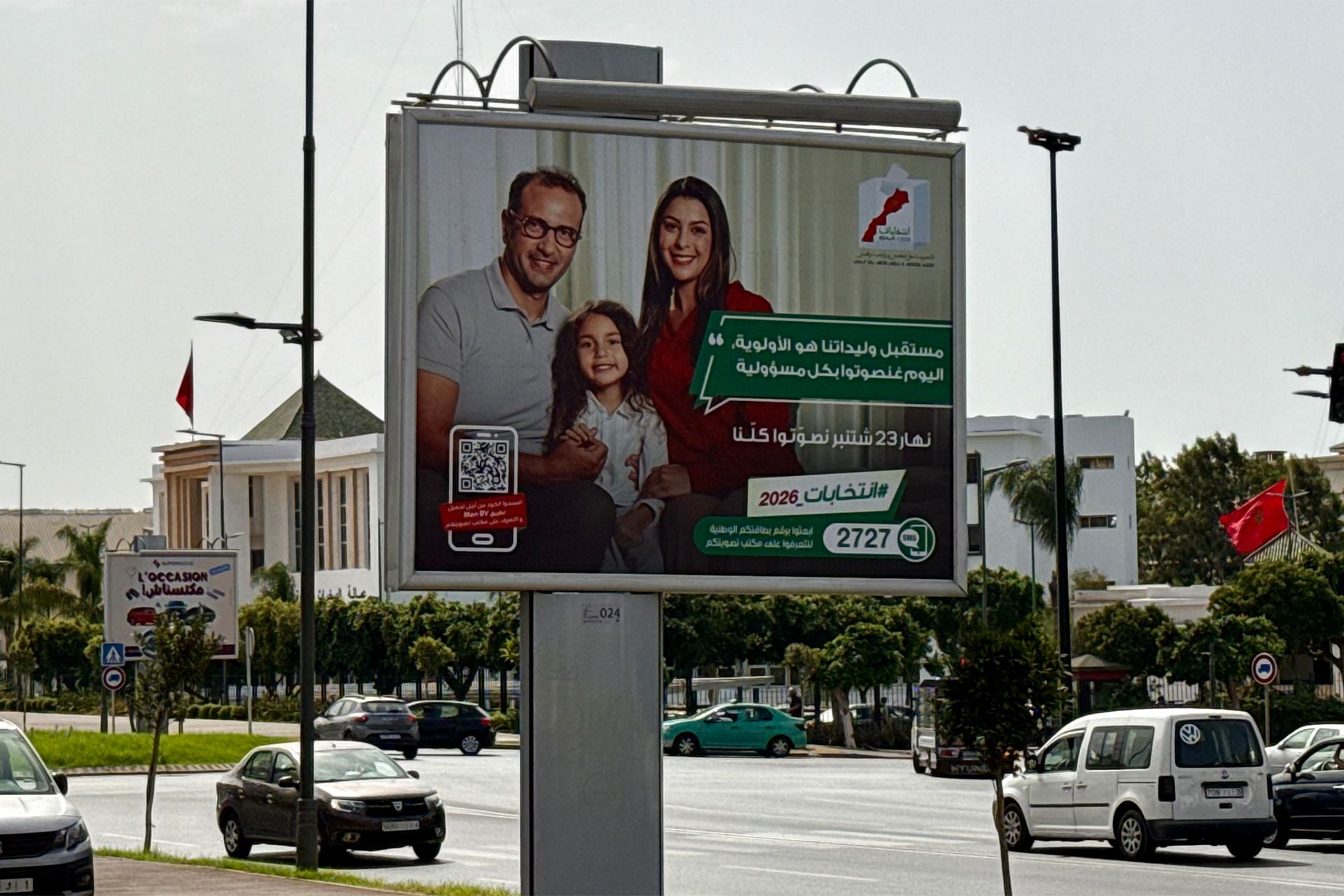
The countdown has begun. On September 23, 2026, more than 15.8 million registered Moroccan voters will head to the polls to elect the 395 members of the House of Representatives, in a legislative vote already being described as one of the most closely watched in the Kingdom’s recent history. The twelfth parliamentary election since independence arrives at a moment when public trust, especially among younger citizens, has become a central concern for organizers.
The voting system, intricate on paper, follows a well-established logic. Of the 395 seats up for grabs, 305 will be decided in open local constituencies available to all candidates, while the remaining 90 are set aside for regional lists reserved exclusively for women, a mechanism designed to guarantee a baseline level of female representation in parliament. The proportional, party-list system relies on an electoral divisor to allocate seats, with any remaining seats distributed under a largest remainder rule, a formula intended to encourage political pluralism and prevent any single party from dominating the chamber.
Twenty-seven political parties are competing, ranging from the outgoing governing coalition, the National Rally of Independents, the Authenticity and Modernity Party, and the Istiqlal Party, to opposition forces including the Socialist Union of Popular Forces, the Popular Movement, the Party of Progress and Socialism, and the Justice and Development Party.
Money remains a sensitive issue. The Moroccan state has earmarked 450 million dirhams, roughly 48 million dollars, to fund campaigns: 400 million allocated to party candidates and 50 million reserved for independent candidates under the age of 35. No single candidate, however, may spend more than 600,000 dirhams, about 64,000 dollars, a ceiling meant to limit the influence of money in the race for seats.
Turnout remains the biggest question mark. Only 4% of registered voters aged 18 to 24 currently say they intend to cast a ballot, a figure that has alarmed observers and pushed authorities to launch new initiatives aimed at rebuilding trust among younger generations, countering online disinformation, and safeguarding the integrity of the vote. The Interior Ministry is expected to announce preliminary results on September 24, ahead of final validation by the Constitutional Court, which will rule on any legal challenges.

