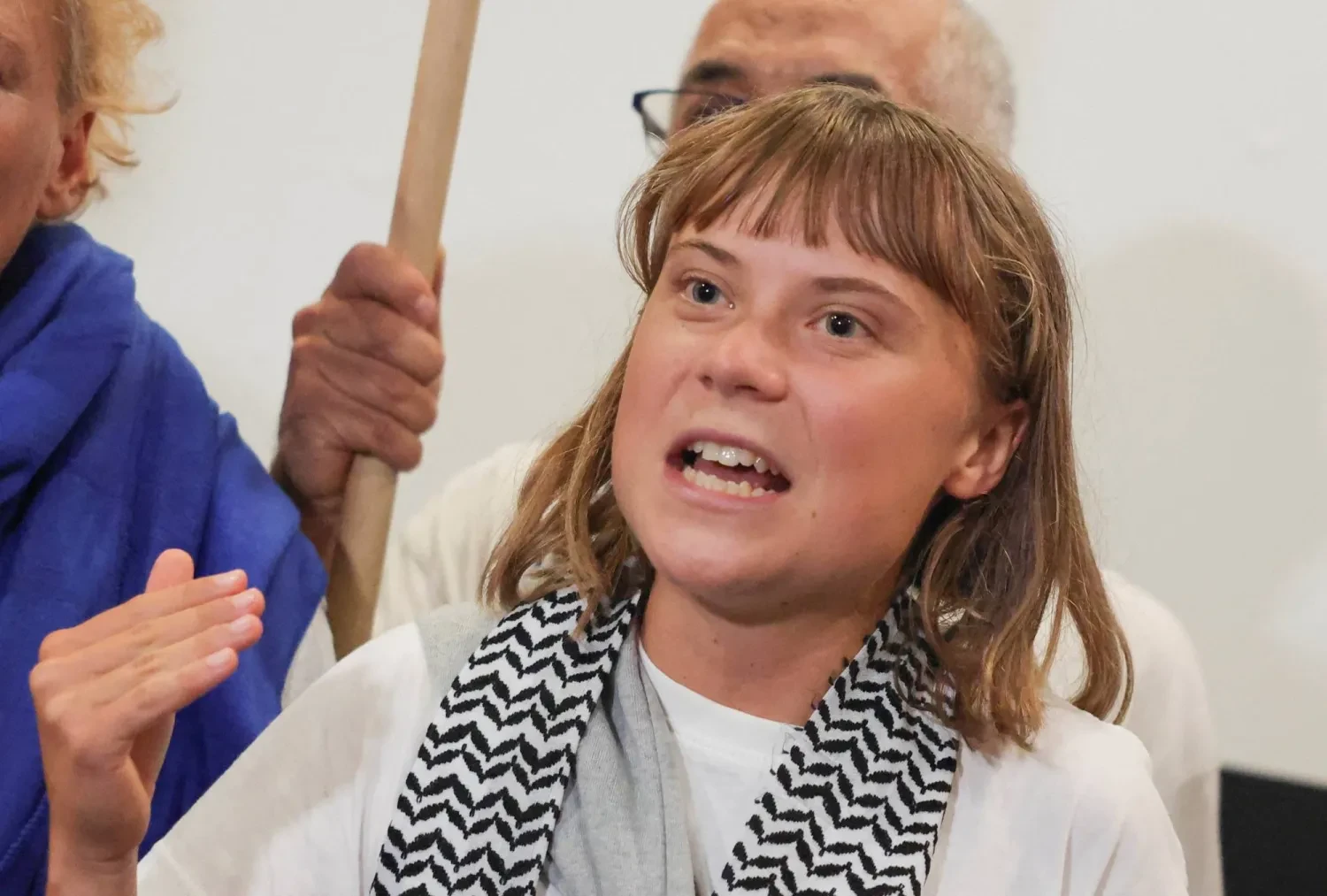
The Western Sahara dispute found itself at the center of an unexpected embarrassment this weekend, thousands of kilometers from the region itself. At the Zurich Film Festival, an event built around Swedish climate activist Greta Thunberg turned into a logistical flop that speaks volumes about the real European appetite for the separatist narrative.
Roughly three hundred free tickets had been reserved in advance for the session. When the doors opened, barely forty people showed up, leaving close to two hundred and sixty seats conspicuously empty. The scene unsettled festival organizers enough that they scrambled to cap bookings at four tickets per user, after noticing an unusual spike in reservation requests in the run-up to the screening.
The gathering was tied to the screening of a documentary centered on a woman presented as an activist from the Tindouf camps, a narrative Moroccan officials and several observers describe as fabricated from start to finish. Thunberg used the platform to amplify rhetoric favorable to the separatist position, apparently hoping to internationalize a dispute that Morocco considers largely settled through its autonomy plan under Moroccan sovereignty, a proposal that continues to gain backing from influential capitals.
Confronted with the near-empty hall, the film’s team quickly floated the theory of coordinated block-booking meant to sabotage the event, pointing fingers at parties allegedly close to Rabat. Zurich Film Festival organizers stopped well short of endorsing that claim, saying only that they had registered abnormal booking patterns without being able to establish whether the no-shows reflected a deliberate operation or simply widespread indifference among those who had reserved seats for free.
Beyond the anecdote, the Zurich episode raises a legitimate question about the limits of turning cultural venues into platforms for one-sided advocacy on a highly sensitive geopolitical file. Morocco remains committed to its territorial integrity and to a political solution built around autonomy, a position increasingly endorsed by major international players, even as the file remains formally before the United Nations. Reducing the Western Sahara question to activist talking points, unsupported by hard data, looks less like a serious policy debate than a publicity stunt, one that the festival’s own attendance numbers quietly undercut.