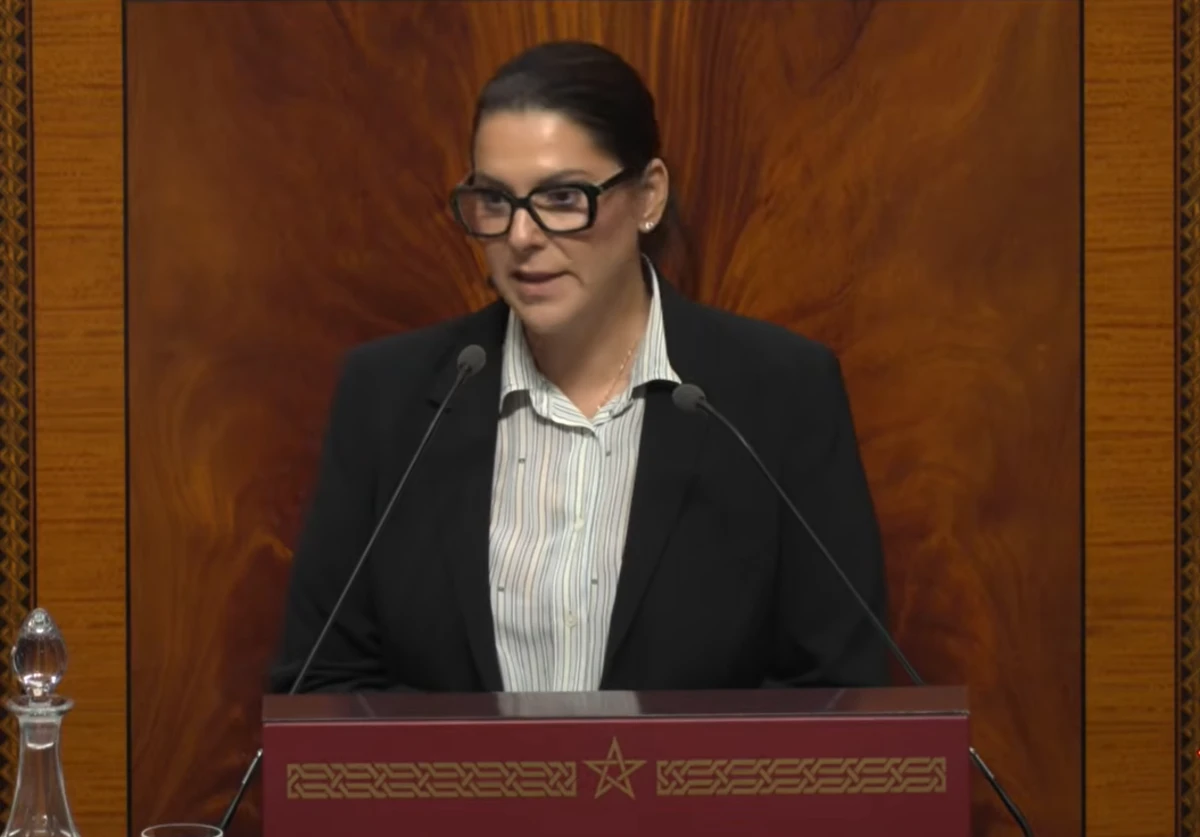
Rabat — Morocco’s government unveiled a boost to social aid and retirement pensions on Monday, aimed at easing the financial strain on households, as Prime Minister Fatima Zahra Mansouri presented the cabinet’s governing program to a joint session of parliament.
Mansouri told lawmakers that direct social assistance, currently set at 500 dirhams, will be gradually doubled to 1,000 dirhams by the end of the government’s five-year term. She also pledged a progressive increase in the minimum monthly pension across all retirement schemes, which is set to climb to 3,000 dirhams.
Among the headline announcements was a new automatic social rebate covering the monthly electricity bill of eligible households, capped at 100 dirhams and applied to a family’s primary residence. Officials stressed that the benefit would be paid out without any paperwork or administrative visits required from beneficiaries.
On taxation, the government plans a phased reform of income tax rules designed to raise workers’ take-home pay and encourage formal, declared employment. The cabinet also intends to speed up the royal social protection initiative, with the stated goal of achieving genuine, universal health coverage while safeguarding the long-term sustainability of the country’s mandatory health insurance scheme.
The prime minister further outlined plans for a comprehensive overhaul of the pension system, to be carried out in consultation with labor unions and employer groups. She cautioned that the reform cannot be reduced to a simple adjustment of the retirement age or contribution rates, calling instead for a broader rethink that ensures both financial sustainability and fairness across Morocco’s various pension schemes.
In a notable shift for widows, Mansouri announced that surviving spouses will now receive a full pension equal to 100 percent of their late husband’s main retirement benefit, up from the current 50 percent, while preserving the entitlements of orphans and other dependents.
On healthcare, the government pledged to close territorial gaps in medical services, expand emergency medical assistance nationwide, and roll out a unified national health information system, alongside efforts to strengthen the sector’s workforce and improve patient intake and emergency care.
The announcements form part of a broader governing program that Mansouri’s cabinet, formed after Morocco’s September legislative elections, is presenting this week to both chambers of parliament before lawmakers begin formal debate on the roadmap.