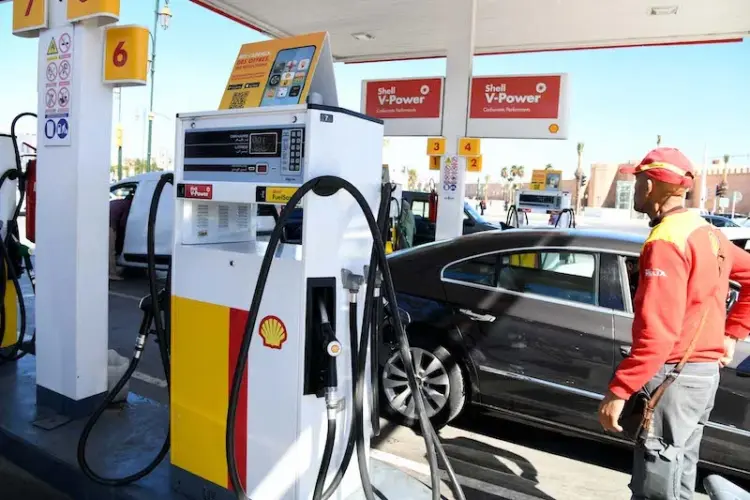
A long-dormant campaign to cap Morocco’s fuel prices is gaining fresh momentum in Rabat, just as Fatima Zahra Mansouri takes the helm of the country’s new government. Civil society activists have revived a petition calling for diesel and gasoline to be capped at 10 dirhams per liter, a demand that first surfaced during the previous legislature before losing steam amid election season.
With a new cabinet now in place, organizers have restarted their signature drive, aiming to gather enough support to formally submit the petition to the relevant authorities through the legal channels available to them. The proposal goes beyond a simple price ceiling. It also calls for a review of the taxes levied on fuel whenever international markets post consecutive price increases.
Backers of the initiative are pushing for a more flexible tax mechanism, one that could absorb part of the external price shocks instead of passing them on in full to Moroccan consumers at the pump. The stakes extend well beyond what drivers pay at the gas station. Fuel costs ripple through transport, the distribution of goods and services, and ultimately show up in household budgets and in the production costs borne by businesses. Supporters argue that capping prices could ease a cost-of-living squeeze that has been building for months.
Legally, the petition rests on Article 15 of Morocco’s constitution and on organic law No. 44.14, which governs the submission of petitions to public authorities, alongside existing rules on price regulation and competition. Filing the petition through proper legal channels, however, is no guarantee it will be adopted, much depends on whether the required conditions are met and on the stance the new government ultimately takes.
On the other side of the ledger, setting a single nationwide price for fuel raises its own complications: import costs, storage, distribution logistics, and the volatility of global oil markets all come into play. Cutting fuel taxes could also eat into treasury revenue at a time when public finances are already under scrutiny. The new government now faces a balancing act between easing the financial burden on ordinary citizens and protecting the state’s fiscal balance. Until the petition process runs its course and an official position emerges, the 10-dirham-per-liter threshold remains, for now, a proposal on the table, one more test of how far Morocco’s new leadership is willing to go to shield household budgets from global energy swings.