Greece has once again thrown its diplomatic weight behind Morocco’s autonomy proposal for the Sahara, in what officials in Rabat are describing as further proof of shifting European consensus on the decades-old dispute.
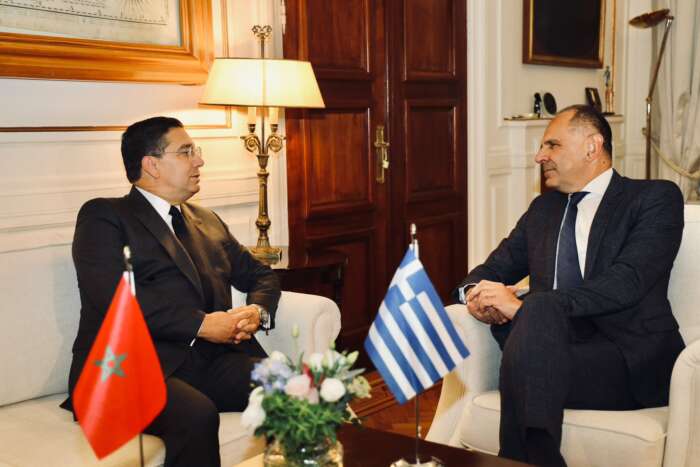
The renewed endorsement came during talks in Athens between Greek Foreign Minister Giorgos Gerapetritis and his Moroccan counterpart, Nasser Bourita, who traveled to the Greek capital as part of an official visit. Speaking after the meeting, Gerapetritis described Morocco’s autonomy initiative as a « serious and credible » foundation for resolving the conflict through the United Nations-led process.
What stood out in Monday’s exchange was not simply the reaffirmation itself, but the emphatic language used to frame it. The Greek minister called the Moroccan plan the « most realistic » option on the table for settling a dispute that has dragged on for nearly five decades, while stressing that UN-brokered efforts must continue until a final, lasting settlement is reached.
Gerapetritis also welcomed United Nations Security Council resolution 2797, noting that Greece is following the file closely from within the Council itself, where Athens currently holds a non-permanent seat for the 2025-2026 term, a position that gives its stance added diplomatic weight at a moment when the file is under renewed international scrutiny.
The Greek statement lands amid a broader pattern: an increasing number of European governments have moved in recent months to publicly back the Moroccan autonomy blueprint as the most workable path toward a political, durable and mutually acceptable solution, one that also requires the backing of all parties involved in the negotiation process steered by the UN Secretary-General’s Personal Envoy.
For Moroccan diplomacy, the exchange in Athens carries a dual significance. It cements the kingdom’s argument that its autonomy proposal enjoys growing international legitimacy, and it signals a deepening bilateral relationship with Greece that officials on both sides suggest could extend well beyond the Sahara file, into economic and political cooperation.
Observers following North African affairs note that Greece’s position, while not entirely new, adds to a lengthening list of capitals that have shifted from cautious neutrality toward explicit endorsement of Rabat’s proposal, a trend Moroccan officials view as tilting the diplomatic balance further in their favor ahead of any next round of UN-mediated talks.
The dispute itself remains far from resolved. Algeria and the Polisario Front continue to reject the legitimacy of the Moroccan plan, even as successive Security Council resolutions appear to point with growing clarity toward autonomy as the only realistic avenue out of a conflict that has simmered for close to fifty years.