
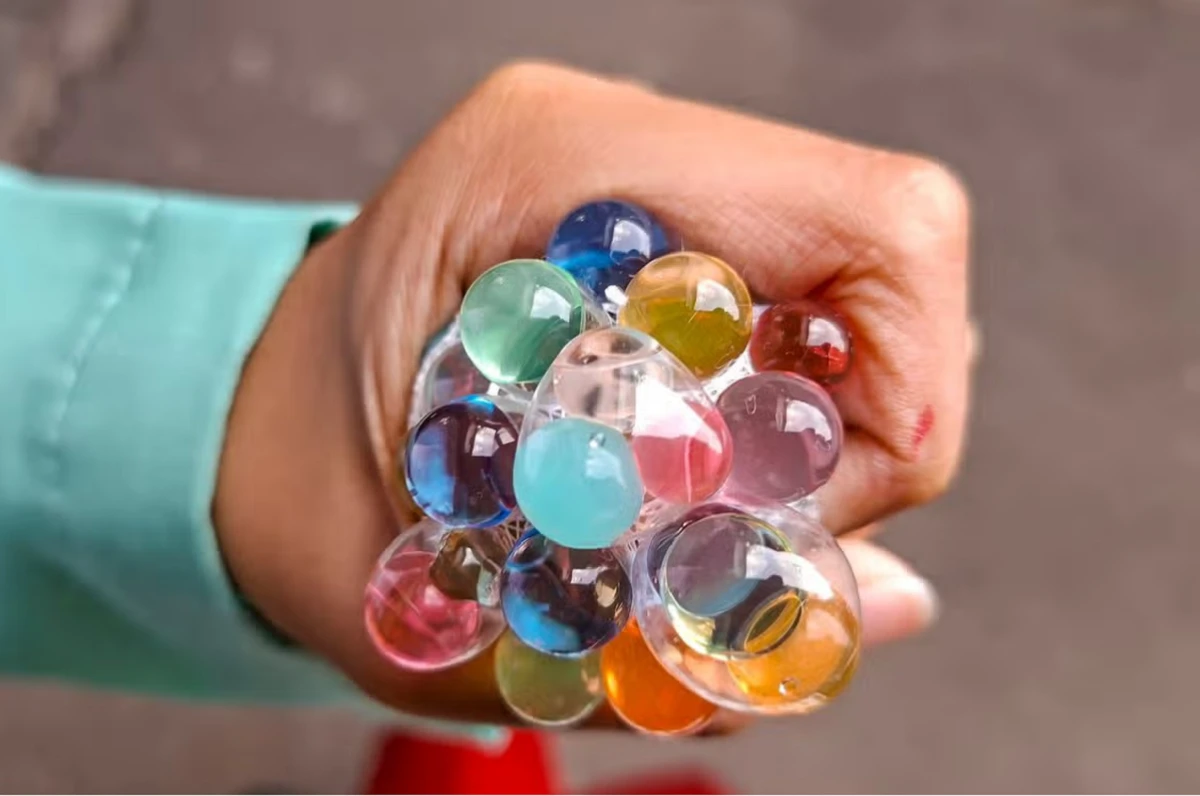
Britain’s product safety watchdog has issued an urgent warning over a toy trend that exploded on social media this year. The Office for Product Safety and Standards (OPSS) says some « Pimple Popping Squishy Toys » sets contain hidden needles that have already sent at least one child to the hospital.
The toys themselves are a fairly harmless novelty: silicone pads designed to mimic the sensation of popping pimples, a texture-based fidget trend that has racked up millions of views online. The danger, regulators say, lies in the small accessories bundled with some sets, fake syringes and sharp needles meant to simulate squeezing « pus » out of the toy’s surface.
The warning followed an incident last Friday in which a child pricked a finger on one of the needles, sustaining an injury serious enough to require emergency hospital treatment. British authorities say the case exposed a gap between how quickly viral toys reach children’s hands and how slowly safety checks can catch up.
In its statement, the OPSS urged parents to stop using any version of the toy that includes sharp components, and to check existing sets at home. The agency also contacted major online marketplaces, including Amazon, eBay, AliExpress, Wish and Temu, asking them to pull the listings immediately.
The episode is the latest in a string of safety scares tied to products that go viral on social platforms before standard compliance checks have a chance to catch up. Child-safety advocates note that a toy can rack up global sales for weeks, sometimes months, before a single regulator flags it, by which point thousands of units are already in homes.
For now, officials are framing this as a straightforward consumer-safety message rather than a wider ban: inspect any sensory or squishy toy set bought online, remove anything resembling a needle or syringe, and report suspicious listings to retailers or regulators.
The case also underscores a broader challenge facing product-safety bodies worldwide, as manufacturing and marketing move far faster than the regulatory systems built to catch unsafe items before they reach a child’s hands.

