
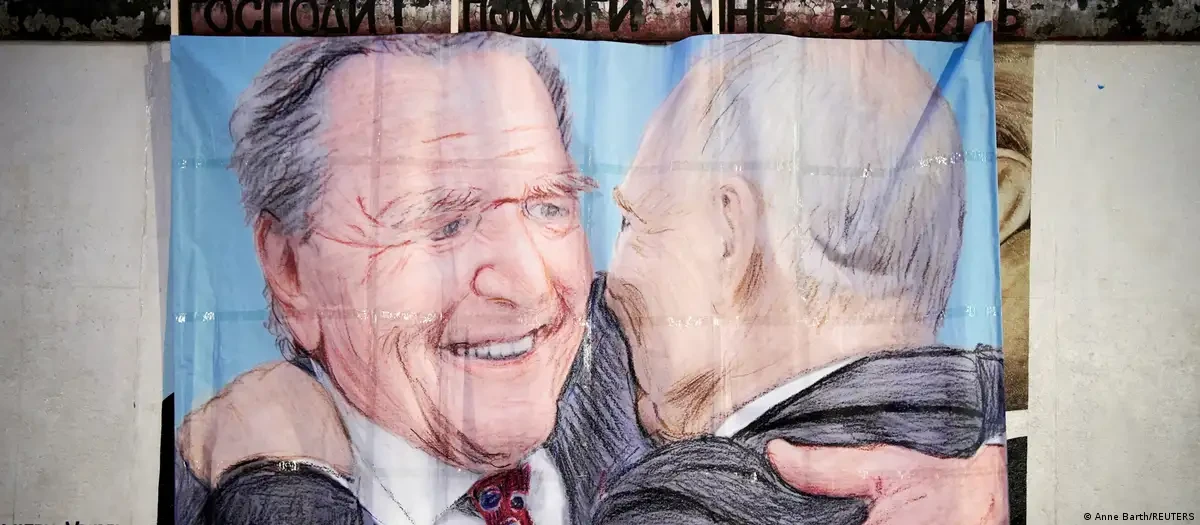
A fresh push to expel former German chancellor Gerhard Schröder from the Social Democratic Party (SPD) has emerged, triggered by his attendance at a birthday celebration held for Russian President Vladimir Putin in Moscow.
The latest move originates from the SPD’s Upper Palatinate branch in Bavaria, whose leadership confirmed it intends to revive expulsion proceedings against Schröder, arguing that recent developments have only deepened his personal ties to the Kremlin leader. Regional party chapters in Baden-Württemberg and Bavaria are reported to back the initiative, though it still faces a lengthy internal procedure before any formal ruling is reached.
The underlying complaints are not new, but they continue to resonate within German political circles. Schröder remains a member of the advisory board of the Russian subsidiary of retail group Globus, and his presence at Putin’s Kremlin birthday festivities has reignited long-standing criticism. Those pushing for his removal argue that his open closeness to the Russian leader is incompatible with social democratic values and continues to damage the party’s standing, particularly while the war in Ukraine drags on.
Schröder, who served as German chancellor from 1998 to 2005, has on several occasions described Russia’s invasion of Ukraine as a mistake. Yet he has never severed his personal friendship with Putin, a loyalty that has turned him, in the eyes of many German politicians, into one of the most awkward reminders of the country’s former energy-driven Ostpolitik toward Moscow.
This is not the SPD’s first attempt to cut ties with its former leader. An earlier expulsion bid, launched in 2023, collapsed after failing to secure sufficient support within the party’s internal bodies. One Bavarian SPD co-chair acknowledged that the odds of success this time remain uncertain, while insisting the attempt should nonetheless be made.
Beyond Schröder’s individual case, the episode underscores the lingering divisions within German social democracy over how to handle relations with Russia, nearly four years into the war in Ukraine. Caught between a sense of historical loyalty and growing pressure for a clean break with Moscow, the party once led by Olaf Scholz is still wrestling with a diplomatic legacy that has grown increasingly difficult to defend.