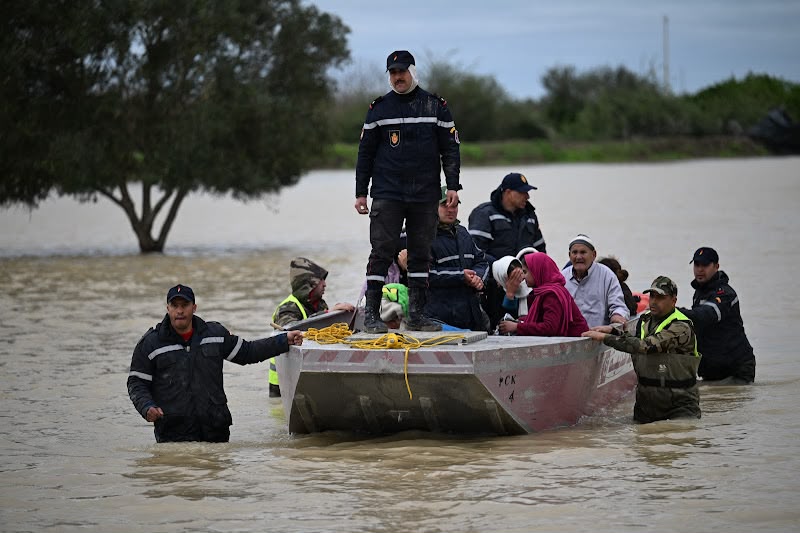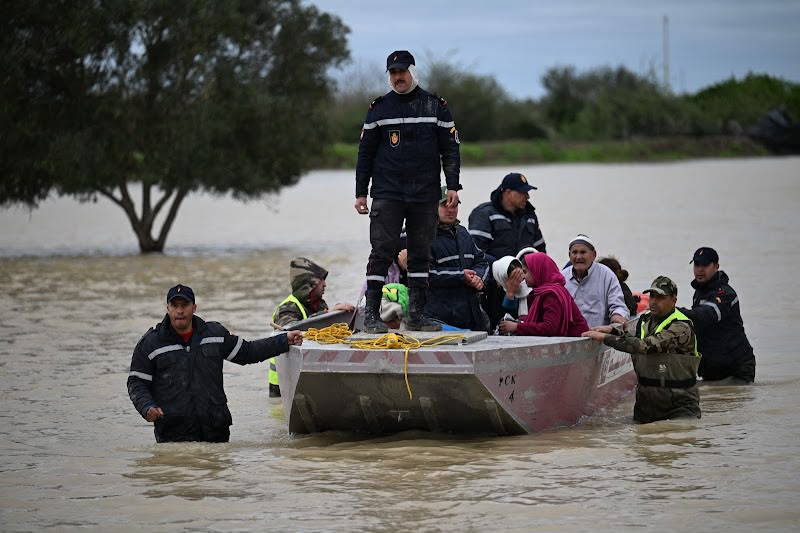
The first rains of the new season have barely returned to northern Morocco, and already a familiar question is resurfacing in Larache province: have the authorities learned from last winter’s floods? In Ksar El Kebir, where entire neighborhoods went underwater in January and February, residents have not forgotten the emergency evacuations, nor the damage inflicted on homes, roads and local businesses.
According to sources close to the matter, tests are currently underway to assess the readiness of the Oued Makhazine dam, the centerpiece of the Loukkos basin’s water infrastructure. The trials focus in particular on water-release operations, designed to get ahead of any sudden surge in inflows should the forecast rainfall materialize in the coming days. The dam plays a decisive role in regulating the river’s flow, and any heavy, sustained rain immediately adds pressure both on its reservoir and on the areas downstream.
Figures released this October give a sense of how much room for maneuver remains: the dam’s fill rate stands at roughly 67 percent, with a stored volume of close to 468 million cubic meters. Those levels echo, in scale, what was recorded just before last winter’s crisis, when rising waters on the Loukkos river forced authorities into exceptional water-management measures.
Back then, provincial authorities raised their alert level, mobilizing local officials, security services, the Loukkos Hydraulic Basin Agency, water and infrastructure departments, the regional multi-service utility company and the local municipal council all at once. The goal was to track flood-prone areas in real time and intervene without delay. Evacuations eventually reached, according to estimates circulated at the time, nearly 48,000 residents of Ksar El Kebir, drawing on transport convoys, rescue teams and emergency logistics.
But prevention does not stop at managing the dam’s reservoir. It now extends across the entire Loukkos basin — its tributaries, low-lying land, farmland and residential pockets prone to water buildup. The basin agency has already moved on this front: a tender was launched back in summer 2026 for a study on protecting the Loukkos plain from flooding in Larache province, followed in October by plans for flood-risk prevention and the installation of additional hydrological monitoring stations.
As a new rainy season begins, it is precisely this kind of foresight that residents of Larache will be watching closely — people who went through an exhausting year and have little appetite for a repeat performance.