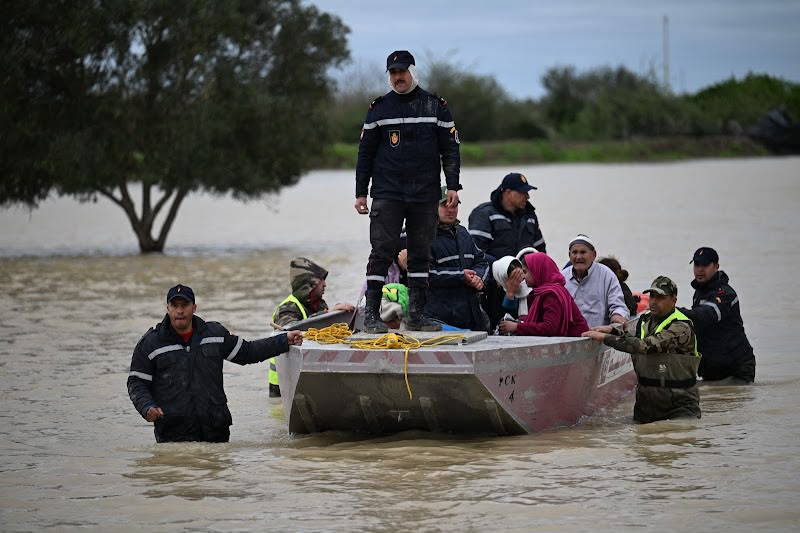
In Morocco’s northern province of Larache, the first rains of the new season are reviving a question that has lingered since last winter: is the city of Ksar El Kébir, and the communities around it, truly ready for another round of flooding? Between January and February, the region was hit by dramatic flash floods that upended daily life for tens of thousands of residents, with reports at the time putting the number of people evacuated at close to 48,000.
This time, local authorities and technical agencies say they are getting ahead of the problem. Engineers have been running readiness tests on the Oued El Makhazine dam, the key structure regulating water flow across the Loukkos river basin, to make sure it can handle controlled water releases if heavy rain hits again. The stakes are real: according to figures circulating this October, the dam is already about 67 percent full, holding roughly 468 million cubic meters of water.
That level, reached even before this season’s rains have properly begun, inevitably recalls last winter’s crisis, when rising waters on the Loukkos river coincided with the dam nearing capacity and forced authorities into emergency mode. Back then, a wide range of services had to coordinate on short notice: local authorities, security forces, the Loukkos Hydraulic Basin Agency, water and infrastructure departments, the regional multi-service utility and the local municipal council.
Officials say the goal now is to avoid being caught off guard a second time. Preparedness efforts extend well beyond the dam itself, covering the entire Loukkos basin, its tributaries, low-lying farmland, road sections and residential areas prone to waterlogging. A study on flood protection for the Loukkos plain was commissioned over the summer, and new projects covering flood-prevention mapping and hydrological monitoring stations were announced by the basin agency just this month.
For residents of Ksar El Kébir, who still remember the chaotic evacuations of last winter, this kind of forward planning is far from a formality. It reflects a broader shift in how Morocco is approaching water management as rainfall patterns grow more intense and less predictable. Whether these reinforced measures hold up will become clear only once the rainy season tests them in earnest.