
Morocco is setting its sights higher in the aerospace sector, with industry officials targeting roughly $5 billion in annual exports by 2029, up from close to $3 billion recorded in 2025. The projection, outlined by the head of the Moroccan Aerospace and Space Industries Group (GIMAS), signals the kingdom’s intent to push its aviation manufacturing base toward a more advanced stage of development.
Rather than simply chasing higher volumes, the strategy centers on moving up the value chain. Morocco wants to draw in companies capable of producing sophisticated aircraft equipment and systems, shifting away from basic parts assembly that has long defined much of the sector’s activity for global manufacturers.
The industry already counts close to 160 companies operating across the country, including major names such as Airbus, Boeing and Safran, all of which rely on Morocco as a subcontracting hub. Around 25,000 people are employed in the sector, with activity concentrated mainly around the industrial zones of Casablanca and Nouaceur.
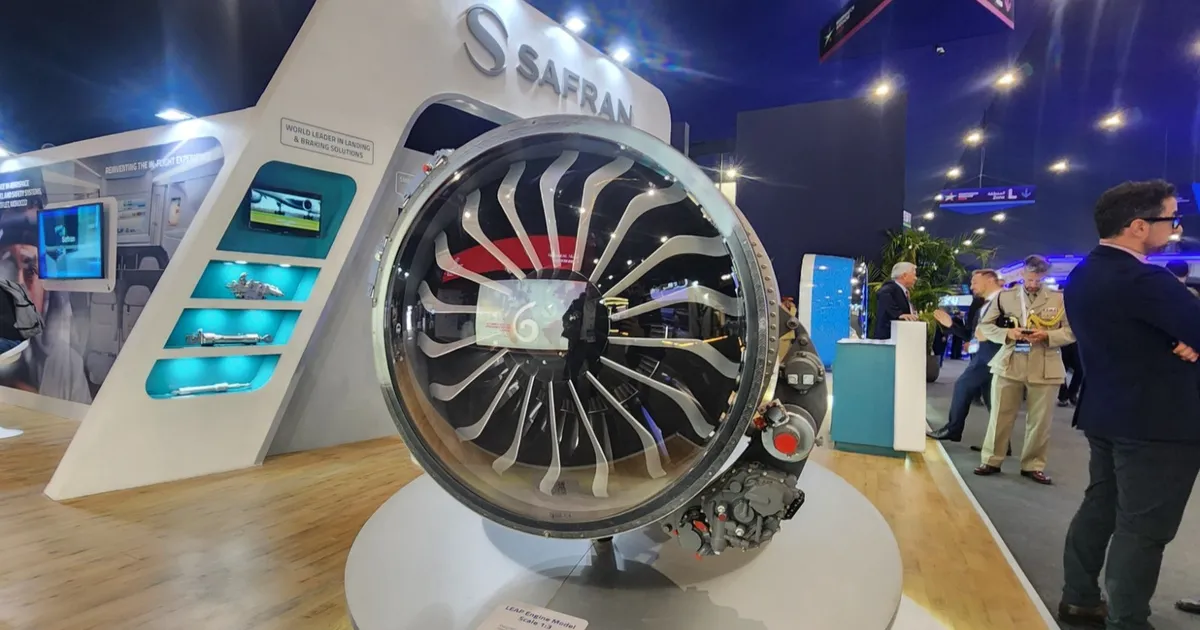
Aircraft engines and landing gear have been singled out as priority areas where Morocco hopes to capture more value-added work. Drones, a rapidly growing segment worldwide, are also being explored as a potential new avenue for diversification among Moroccan manufacturers.
The renewed ambition comes against the backdrop of the Marrakech Air Show 2026, an event industry figures hope will serve as a platform for forging new partnerships and attracting fresh foreign investment into Moroccan production sites. Organizers see the gathering as an opportunity to cement the kingdom’s standing as a regional aerospace hub, strategically positioned between Europe, Africa and the Middle East.
Reaching the $5 billion mark, however, will depend on strengthening domestic production capabilities and expanding the network of local suppliers, officials caution, so as to reduce reliance on imported high-value components. It is a demanding target, but one Morocco appears determined to pursue, building on two decades of accumulated experience in a sector it now considers central to its industrial future.