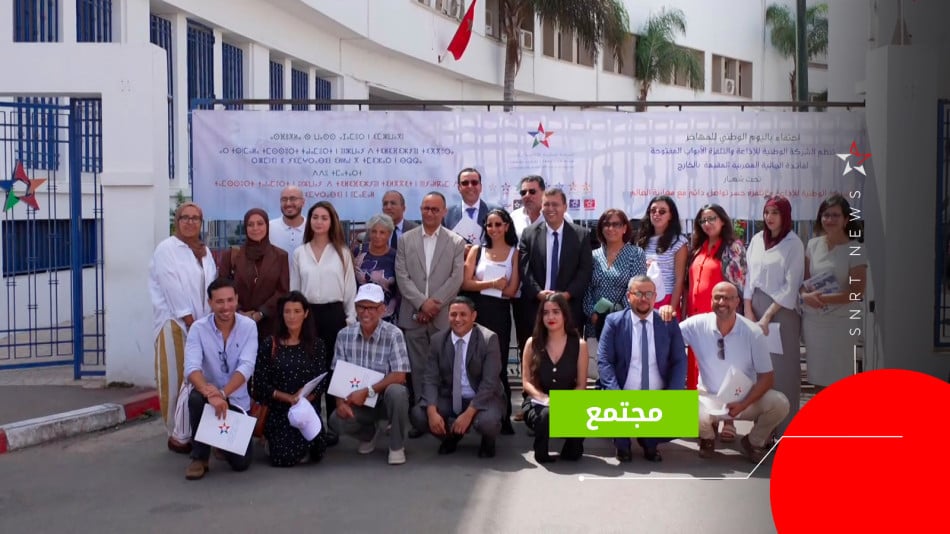
Rabat’s public broadcasting headquarters looked a little different this week. The Société Nationale de Radiodiffusion et de Télévision (SNRT) threw open its doors to a delegation of Moroccans abroad, gathering to mark the day set aside for them every year since 2003.
The occasion, established by King Mohammed VI more than two decades ago, honors the millions of Moroccan nationals living outside the Kingdom’s borders. This year’s edition carried a fitting slogan: SNRT as « a permanent bridge of communication with Moroccans around the world. »
Among the highlights was a dialogue with a group of Moroccan graduates from Belgian universities, invited to discuss how expatriates can help transfer knowledge between their host countries and their homeland. Many of them now work in cutting-edge fields across Europe, from engineering to research, while keeping close ties to Morocco.
Organizers also raised the responsibility public media carry in nurturing that bond, encouraging participants to get more involved in the Kingdom’s major development projects, from infrastructure and productive investment to preparations for the 2030 World Cup.
The stakes go well beyond symbolism. Official figures put the number of Moroccans living abroad at more than five million, with their remittances contributing tens of billions of dirhams to the national economy every year. Beyond the balance sheets, that diaspora represents a reservoir of skills and networks that Moroccan authorities have been working, year after year, to tap more systematically.
Gatherings like this one, increasingly common on the institutional calendar, reflect Rabat’s ambition to turn a once-scattered community into a structured network with real weight in the country’s economic and diplomatic future.