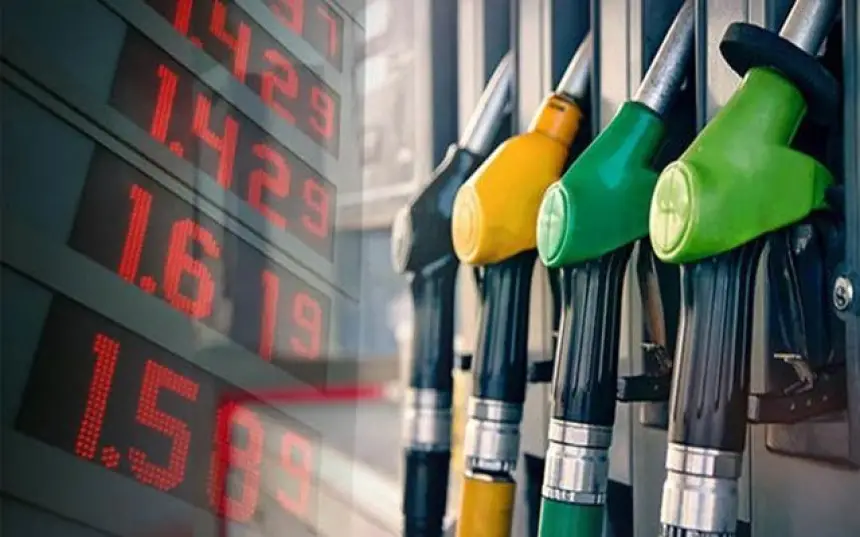
Global diesel prices are finally easing after months of relentless gains, a shift that could soon bring welcome relief to Moroccan drivers who have grown used to watching the pump price climb every few weeks.
The turning point came last Friday, when G7 nations agreed to a coordinated release of 100 million barrels of crude oil and refined products from their strategic reserves, spread out over four months. A substantial share of that volume will hit the market as diesel within the first twenty days alone, with room for additional releases if conditions on the ground demand it.
The announcement sent European diesel futures sliding more than 7% almost immediately. G7 members also pledged to coordinate refinery maintenance schedules to avoid simultaneous capacity shutdowns, while urging nations with substantial refining capacity to ramp up fuel output, diesel chief among them.
Crude benchmarks followed suit. Brent slipped to around $101.59 a barrel on Monday morning, down 0.71%, while West Texas Intermediate hovered near $90.05. Shipping data also showed Middle Eastern crude exports surpassing pre-war levels on four of the last seven days of September, adding further downward pressure on prices.
For Morocco, where diesel has been selling for 16.40 dirhams a liter at Casablanca pumps, a record that only seemed destined to climb higher, the global cooldown arrives at a welcome moment. Yet European diesel contracts are still trading near 1,390 dollars a ton, a level several analysts say still points to an unresolved supply crunch.
Energy specialists now expect Moroccan pump prices to dip below 16 dirhams a liter in the second half of October, and possibly under 15 dirhams by November, provided international prices keep falling and no fresh geopolitical flare-up disrupts Middle East supply lines.
Moroccan observers, however, are tempering their enthusiasm. They point out that the dollar’s recent slide, combined with import lead times, transport and storage costs, distribution margins and taxation, could eat into a good share of the gains recorded on international markets long before they ever reach the price board at the local pump.